
Designing a small home is no longer about limitations—it’s about smart planning, creative layouts, and efficient use of space. With rising urban density and changing lifestyle needs, small homes are becoming a preferred choice for modern homeowners.
However, the success of a compact home depends largely on its architectural design. The right design not only enhances functionality but also improves comfort, aesthetics, and long-term usability.
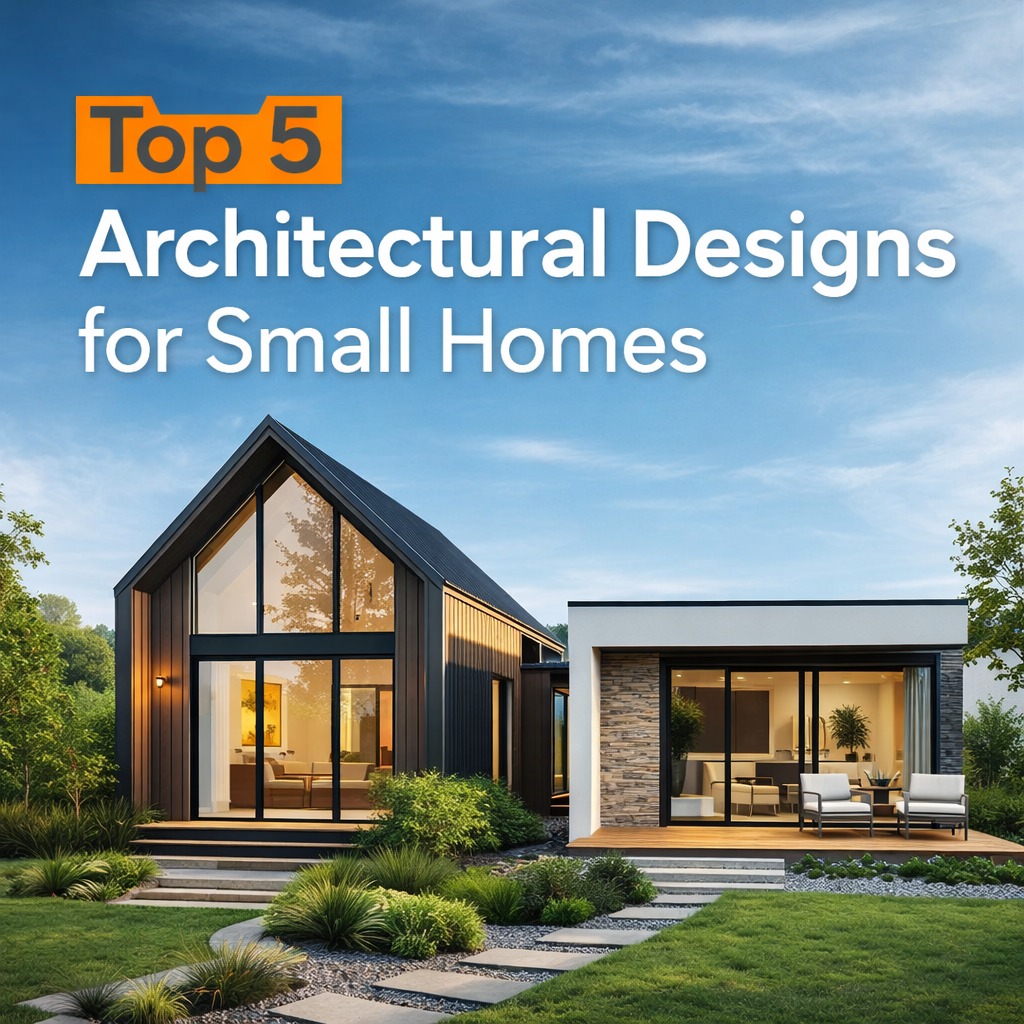
This guide explores the Top 5 Architectural Designs for Small Homes, helping you create a space that feels spacious, modern, and practical.
Why Architectural Design Matters for Small Homes
A well-planned design is essential when working with limited space. It ensures that every square foot is utilized effectively while maintaining visual appeal and comfort.
The right architectural approach helps homeowners:
- Maximize usable space
- Improve natural lighting and ventilation
- Enhance storage efficiency
- Create a clutter-free environment
- Increase property value
Without proper design planning, even a moderately sized home can feel cramped and inefficient.
1. Minimalist Architecture
Minimalist architecture focuses on simplicity, functionality, and clean aesthetics. It eliminates unnecessary elements and prioritizes essential living needs.
Key Features:
- Clean lines and simple structures
- Neutral color palettes
- Functional furniture
- Open and uncluttered spaces
Why It Works for Small Homes:
Minimalism reduces visual clutter, making spaces appear larger and more organized. It creates a calm and spacious atmosphere, even in compact homes.
2. Open Floor Plan Design
Open floor plans combine multiple functional areas into a single continuous space, such as merging the living room, dining area, and kitchen.
Key Features:
- Fewer internal walls
- Seamless flow between spaces
- Better natural light distribution
- Flexible interior layout
Why It Works for Small Homes:
By removing physical barriers, open layouts create the illusion of a larger space and improve overall connectivity within the home.
3. Vertical Space Utilization (Loft Design)
When floor space is limited, vertical expansion becomes essential. Loft designs make use of height to add extra functionality without increasing the footprint.
Key Features:
- Loft bedrooms or workspaces
- High ceilings
- Vertical storage solutions
- Compact staircases or ladders
Why It Works for Small Homes:
This design effectively doubles usable space, making it ideal for urban homes where land availability is limited.
4. Scandinavian Design
Scandinavian architecture combines simplicity with warmth and comfort. It focuses on functionality while maintaining a cozy and inviting atmosphere.
Key Features:
- Light color schemes (white, beige, pastels)
- Natural materials like wood
- Large windows for natural light
- Minimal yet cozy decor
Why It Works for Small Homes:
Bright interiors and natural lighting create an airy feel, making small spaces look more open and welcoming.
5. Modular & Prefabricated Design
Modular homes are built using pre-designed sections that are assembled on-site. This modern construction approach is efficient and highly customizable.
Key Features:
- Pre-built modules
- Faster construction time
- Cost-effective solutions
- Flexible design options
Why It Works for Small Homes:
Modular designs are optimized for space efficiency, ensuring maximum functionality within compact layouts.
Common Mistakes to Avoid in Small Home Design
Many homeowners make design mistakes that reduce efficiency and comfort. Avoid the following:
- Overcrowding with furniture
- Ignoring vertical space
- Poor lighting design
- Lack of storage planning
- Choosing dark or heavy color schemes
Avoiding these mistakes can significantly improve both functionality and aesthetics.
Role of Professional Builders in Small Home Design
Designing and constructing a small home requires expertise, planning, and precision. Professional builders help by:
- Creating optimized architectural layouts
- Ensuring structural safety and durability
- Managing space efficiently
- Delivering high-quality construction
- Providing end-to-end project support
Their experience ensures that even compact homes are built to maximize comfort and long-term value.
Conclusion
Small homes are redefining modern living by offering smart, efficient, and aesthetically pleasing spaces. With the right architectural design, limited space can be transformed into a comfortable and stylish living environment.
Whether you choose minimalist architecture, open layouts, loft designs, Scandinavian style, or modular construction, the key lies in thoughtful planning and execution.
A well-designed small home is not just about saving space—it’s about creating a better living experience.