
If you’re searching for the things to know before starting construction, you’re already ahead of most homeowners. Building a home is probably the single biggest investment most people make in their lifetime. It’s exciting, no doubt, but there’s a lot happening behind the scenes that can quietly derail your budget, your timeline, or your peace of mind if you’re not paying attention early on.
We’ve walked enough families through this process to know the mistakes tend to repeat themselves. So here’s a full rundown of the things to know before starting construction, based on what we see go right and what tends to go wrong.
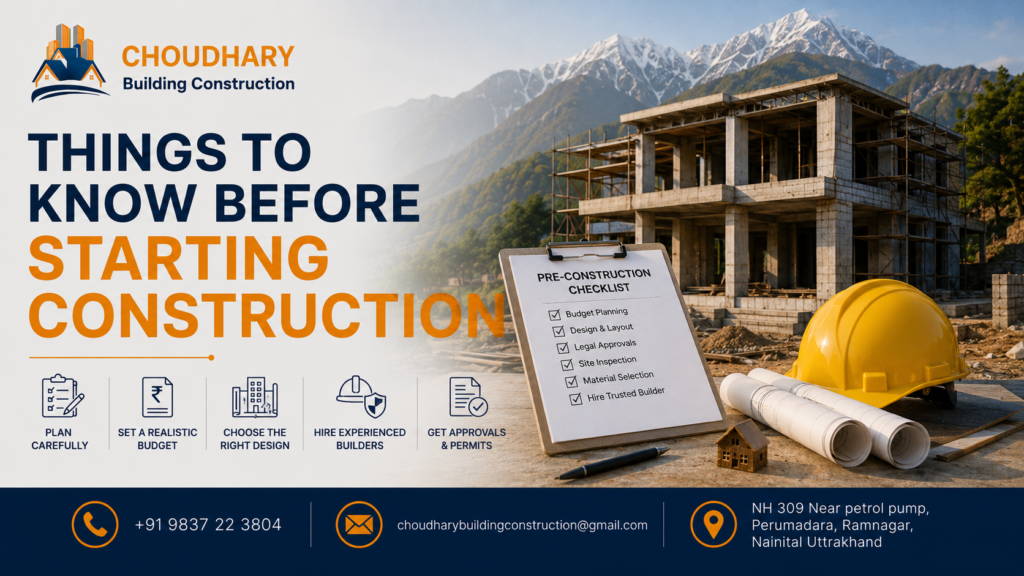
1. Start With a Clear Vision
Before anyone touches a shovel, get specific about what you actually want. Not just for now, but for the next 10 to 15 years. A house that fits your life today might feel cramped once the kids grow up or your parents move in.
A few questions worth sitting with:
- How many rooms will you realistically need down the line?
- Do you want a home office, a store room, or extra space you haven’t thought of yet?
- What layout and style actually suit how you live, not just what looks good in photos?
Everything else, the budget, the design, the material choices, flows from this first decision.
2. Establish a Realistic Budget
One of the most important things to know before starting construction is that most people budget for construction and forget everything around it. A proper budget covers:
- Design and architectural fees
- Material and labor costs
- Government permits and approvals
- Interior finishing, fixtures, fittings
- A contingency fund, ideally 10 to 20% of the total
Something always comes up mid-project. A pipe that needs rerouting, a material price hike, a design tweak you didn’t plan for. Without a buffer, that’s usually where quality gets cut first, and that’s the wrong place to save money.
3. Choose the Right Location Carefully
Choosing the right plot is another one of the essential things to know before starting construction, since it shapes almost everything that follows, safety, comfort, and eventually resale value. Before you commit, look into:
- Soil quality and how well it drains
- How accessible and well-connected the location is
- Whether water, electricity, and sewage lines are already available
- What kind of development is planned nearby in the coming years
A good plot doesn’t just make construction smoother. It tends to hold its value a lot better too.
4. Understand Legal Requirements and Approvals
Getting your approvals right is one of the things to know before starting construction that people underestimate most. Ignoring local regulations can lead to delays, penalties, or even demolition orders. Make sure you:
- Obtain all necessary permits
- Follow zoning laws and building codes
- Adhere to environmental and safety regulations
Working with experienced professionals can simplify this process and ensure compliance from the start.
5. Hire the Right Professionals
Your construction team makes or breaks this project, and choosing them well is one of the things to know before starting construction that people rush the most. That means being deliberate about who you bring on:
- An architect or designer with a track record you actually like
- A qualified structural engineer
- A contractor with real references, not just promises
- A project manager who keeps things moving
Look at previous work. Ask for client references and actually call them. The lowest quote is rarely the best deal once you factor in rework, delays, and the stress of managing a bad contractor.
6. Prioritize Smart Design Over Trends
Trendy design ages fast. What doesn’t age is a home that actually works for how you live. A well-thought-out house should:
- Make the most of natural light and airflow
- Use its space well instead of wasting it on show
- Leave room for changes later, a wall you can remove, a room you can repurpose
- Support energy efficiency where it matters
Practical, timeless design tends to need far fewer renovations ten years down the line.
7. Plan Utilities Early
A lot of homeowners treat utilities as an afterthought, then pay for it later in rework and delays. Plan early for:
- Electrical layout and backup power
- Plumbing and drainage routes
- Water storage and supply systems
- Ventilation and cooling
Sorting this out on paper before construction starts avoids a lot of last-minute tearing into walls that were already finished.
8. Choose Quality Materials Wisely
Choosing the right materials is one of the things to know before starting construction that decides how long your house actually lasts and how much you’ll spend maintaining it. Budget matters, sure, but cutting corners here tends to cost more later, not less. Prioritize:
- Structural strength and reliability
- How well the material handles local weather
- Energy efficiency
- Low ongoing maintenance
Good materials aren’t an expense so much as an investment that quietly pays you back for years.
9. Set a Practical Timeline
Construction almost never goes exactly to plan, and an honest timeline is one of the things to know before starting construction that most people get wrong. Weather, labor availability, supply delays, any of these can push things back. Work with your contractor on a schedule that has real buffer time built in, not just a best-case estimate.
Regular milestone check-ins help catch delays early, while there’s still time to adjust.
10. Stay Involved Throughout the Process
- Even with a trusted team, your involvement matters. Regular site visits and communication help ensure:
- Work meets your expectations
- Quality standards are maintained
- Problems are addressed early
Being proactive reduces misunderstandings and costly rework.
11. Don’t Compromise on Safety
Construction sites can be risky. Ensure your contractor follows strict safety protocols, including proper equipment, secure structures, and trained workers. Safety is not just a responsibility, it protects your investment and everyone involved.
12. Document Everything
Always put agreements in writing, including:
- Scope of work
- Payment terms
- Timelines
- Material specifications
- Warranty details
Clear documentation prevents disputes and keeps everyone accountable.
13. Think Long-Term Maintenance
Your home should be easy to maintain. Choose designs and materials that simplify cleaning, repairs, and upgrades. Planning for maintenance now saves time, effort, and money later.
Final Thoughts on Things to Know Before Starting Construction
Home construction is a journey that requires careful planning, informed decisions, and consistent oversight. By keeping these things to know before starting construction in mind, from budgeting and design to hiring professionals and monitoring progress, you can avoid common pitfalls and build a home that truly meets your expectations.
A well-built home begins long before construction starts, it begins with the right knowledge and preparation. When you approach the process with clarity, patience, and the right team, you’re not just building a house, you’re creating a space that offers comfort, security, and lasting value for years to come. For more information you can contact us.
A Few Questions People Usually Ask
What’s the most common mistake homeowners make before starting construction?
Underestimating the budget, almost always. People account for construction costs but forget permits, contingency funds, and interior finishing, then run short halfway through.
How much contingency budget should I keep aside?
Somewhere between 10 and 20% of your total construction budget is a safe range. Unexpected costs come up in nearly every project, so this isn’t optional padding, it’s practical planning.
Do I really need an architect, or can a contractor handle the design too?
For anything beyond a very basic structure, a proper architect adds real value, better use of space, natural light, and a layout that actually fits how you live. It’s worth the fee.
How do I know if a contractor is reliable before hiring them?
Ask for references from past clients and actually call them. Visit a site they’ve completed or one currently in progress. A reliable contractor won’t hesitate to show you their work.
What permits are typically required before starting construction?
This varies by location, but generally includes a building plan approval from your local authority, land use clearance, and any environmental or forest department NOCs that apply to your specific plot.
Should I choose trendy design elements or stick to something timeless?
Lean timeless. Trendy finishes look great in photos but age quickly and often need replacing within a few years. Practical, well-thought-out design holds up far longer.
How involved should I be once construction starts?
More than most people expect. Regular site visits and clear communication with your contractor catch small issues before they turn into expensive ones.
Is it worth spending more on quality materials upfront?
Almost always, yes. Cheaper materials tend to mean higher maintenance costs and earlier replacement, which usually ends up costing more over the life of the house.