
Building your dream home is one of the biggest investments of your life. While selecting the right design, materials, and layout is important, ensuring proper quality checks during home construction is what truly determines the strength, safety, and longevity of your house. Many homeowners assume that the contractor will take care of everything—but smart homeowners stay involved and monitor every stage.
If you want a home that lasts for generations, following the right quality checks during home construction is absolutely essential.
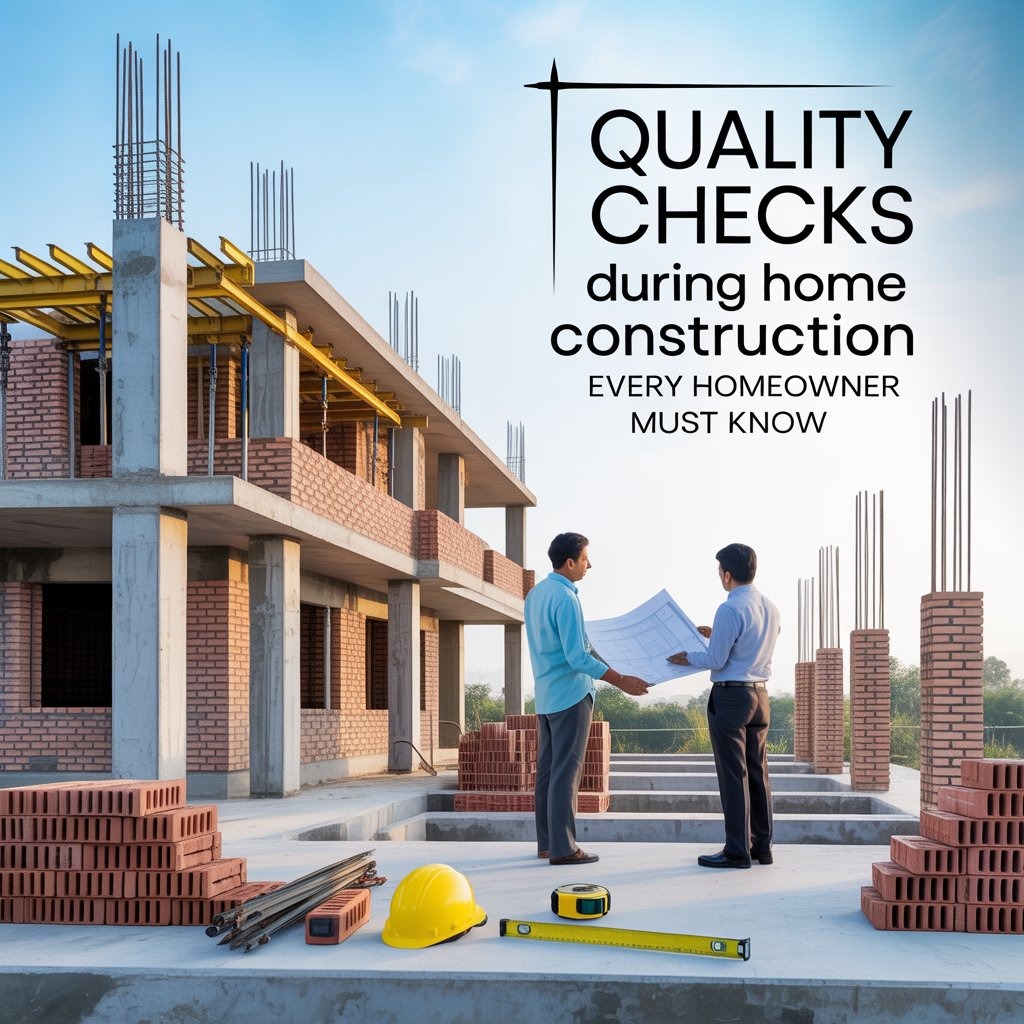
Why Quality Monitoring Matters in Home Construction
A well-constructed house is not just about appearance; it is about structural stability, durability, and safety. Ignoring quality checks during home construction can lead to cracks, seepage, weak foundations, and expensive repairs in the future.
Regular inspections help:
- Prevent construction errors before they become permanent
- Ensure proper use of materials
- Maintain structural safety
- Avoid long-term maintenance costs
- Deliver value for your investment
This is why experienced builders always recommend systematic quality checks during home construction at every phase.
1. Soil Testing and Foundation Inspection
Your home is only as strong as its foundation. Before construction begins, proper soil testing must be conducted to determine load-bearing capacity. One of the most critical quality checks during home construction is verifying that excavation depth and footing size match structural drawings.
Check for:
- Proper soil compaction
- Correct footing dimensions
- Use of approved concrete grade
- Anti-termite treatment before foundation work
A weak foundation can never be fixed later, making this step vital.
2. Reinforcement (Steel) Quality Verification
Steel reinforcement gives strength to the structure. During this stage, homeowners should ensure that quality checks during home construction include verifying steel grade, spacing, and binding.
Important points to inspect:
- Use of certified TMT bars
- Proper bar bending as per design
- Adequate spacing between reinforcements
- Rust-free steel before concreting
Poor reinforcement placement can compromise the entire structure.
3. Concrete Work and Mixing Standards
Concrete is the backbone of your home. One of the most overlooked quality checks during home construction is ensuring the correct concrete mix ratio and curing process.
Make sure:
- The right mix ratio (like M20, M25 as specified) is used
- Machine or proper batching is followed instead of random mixing
- Vibrators are used to remove air gaps
- Curing is done for at least 7–14 days
Proper curing significantly increases strength and prevents cracks.
4. Brickwork and Wall Alignment
Walls define both aesthetics and durability. During masonry work, quality checks during home construction should focus on alignment, joint thickness, and material quality.
You should observe:
- Use of uniform, high-quality bricks or blocks
- Straight vertical alignment using plumb tools
- Even mortar joints
- No excessive gaps or dry joints
Strong masonry ensures better load distribution and long-term stability.
5. Waterproofing and Damp Protection
Water damage is one of the most common issues in homes. Smart homeowners include waterproofing in their quality checks during home construction rather than treating it as an afterthought.
Areas requiring waterproofing:
- Foundation level
- Bathrooms and balconies
- Roof slab
- External walls
Ignoring this stage can lead to leakage problems that are costly to fix later.
6. Electrical and Plumbing Layout Inspection
Before plastering begins, concealed services must be checked carefully. A key part of quality checks during home construction is verifying electrical conduits and plumbing lines.
Ensure:
- Proper pipe quality and pressure testing
- No sharp bends in plumbing lines
- Correct wire gauge used for electrical loads
- Safety provisions like earthing and MCB planning
Fixing mistakes after finishing can mean breaking walls again.
7. Slab Casting and Structural Accuracy
Roof slab casting is a milestone stage. During this time, quality checks during home construction should confirm shuttering quality, slab thickness, and reinforcement placement.
Pay attention to:
- Level shuttering to avoid uneven slabs
- Proper support and centering
- Electrical conduit placement before casting
- Continuous curing after slab completion
This stage directly affects structural performance and safety.
8. Plastering and Surface Finishing Standards
Good plastering protects walls and improves durability. Another essential part of quality checks during home construction is ensuring smooth, crack-free plaster with proper thickness.
Look for:
- Even plaster application
- No hollow sounds when tapped
- Proper curing to avoid shrinkage cracks
- Straight edges and corners
Quality plaster prevents future paint failures and dampness.
9. Flooring and Tile Installation Checks
Flooring must be level, durable, and properly aligned. While reviewing quality checks during home construction, homeowners should inspect tile spacing, adhesive use, and slope.
Important checks:
- Uniform tile joints
- Proper leveling without lippage
- Correct slope in bathrooms and balconies
- High-quality adhesive instead of weak mortar
This ensures both aesthetics and functionality.
10. Final Structural and Finishing Inspection
Before possession, conduct a final round of quality checks during home construction to verify that everything meets agreed specifications.
Your final checklist should include:
- Door and window alignment
- Paint finish and surface smoothness
- Plumbing and electrical testing
- Terrace waterproofing test
- Drainage slope verification
This final review ensures your home is truly ready.
Common Mistakes Homeowners Must Avoid
Even with the best intentions, many people ignore regular quality checks during home construction and rely completely on site supervisors. This can lead to:
- Use of substandard materials
- Skipping curing processes
- Incorrect dimensions
- Hidden leakages
- Structural compromises
Being involved does not mean interfering—it means ensuring accountability.
The Role of Professional Builders in Quality Assurance
An experienced builder follows systematic processes, engineering supervision, and scheduled quality checks during home construction to deliver reliable results. Professional construction teams maintain documentation, testing standards, and material verification at every stage.
Choosing the right construction partner ensures:
- Transparent workflow
- Certified materials
- Skilled labor management
- Timely inspections
- Long-lasting structural quality
Conclusion
Your dream home should not just look beautiful—it should stand strong for decades. Following proper quality checks during home construction protects your investment, ensures safety for your family, and eliminates future repair costs. A well-monitored construction process results in a home that delivers comfort, durability, and peace of mind.
At Choudhary Builders, we follow strict quality standards at every stage to ensure your home is built with strength, precision, and trust—turning your vision into a home that lasts for generations.